April 2026
Industrial Momentum: Modern logistics demand continues to shape Chicago industrial development

By: Brandi Smith | April 7, 2026
Chicago’s development landscape has shifted dramatically in recent years. Only about 10 tower cranes are operating across the city today, down from roughly 60 six years ago as higher borrowing costs and elevated construction prices reshape which projects can move forward.
“High interest rates and elevated material prices continue to shape client behavior, project feasibility and overall market conditions, putting pressure on both timing and budgets,” said Jerry Ball, CEO of Skender.
Developers are responding by scrutinizing project feasibility earlier in the planning process and involving construction teams sooner as they evaluate budgets, schedules and material alternatives before committing to new construction.
“By blending our team with the architect as early as possible, using lean construction processes and identifying acceptable material substitutes, we can reduce risk and avoid supply chain challenges and price hikes,” Ball said.
Contractors are also navigating the current development cycle by maintaining activity across multiple sectors rather than relying on a single asset class. Skender’s recent work reflects that approach. The firm recently topped out the 32-story mixed-use tower at 370 N. Morgan Street in Fulton Market, a 539,000-square-foot project that will deliver 494 apartments and ground-floor retail. Other recent projects include a 230,000-square-foot office buildout for Invenergy at One South Wacker and a 75,000-square-foot outpatient center for Ann & Robert H. Lurie Children’s Hospital of Chicago in Schaumburg.
While some development sectors have slowed, industrial real estate continues to generate significant activity across the Chicago region. The market absorbed 7.9 million square feet of space in the fourth quarter of 2025, bringing total net absorption for the year to 18.7 million square feet while vacancy remained relatively low at about 6 percent, according to NAI Hiffman’s year-end Chicago industrial report. The activity comes after a surge of new construction across the region during the past several years as developers raced to meet demand from logistics and e-commerce operators.
Leasing activity also remained strong throughout the year, totaling more than 43 million square feet across the Chicago market. Third-party logistics providers, manufacturers and e-commerce distributors continued to account for a large share of that demand as companies adjusted supply chains and expanded regional distribution networks.
“The Chicago market is in good balance and deal activity is similar to pre-COVID times,” said Dan Leahy, executive vice president at NAI Hiffman.
Developers remain active, though many have become more cautious about launching speculative projects as they monitor leasing momentum and capital costs. At the end of 2025, roughly 13.6 million square feet of industrial space was under construction across the Chicago region, with more than half of that pipeline tied to build-to-suit projects for committed tenants. The shift reflects a more cautious development environment compared with the speculative building surge seen earlier in the decade.
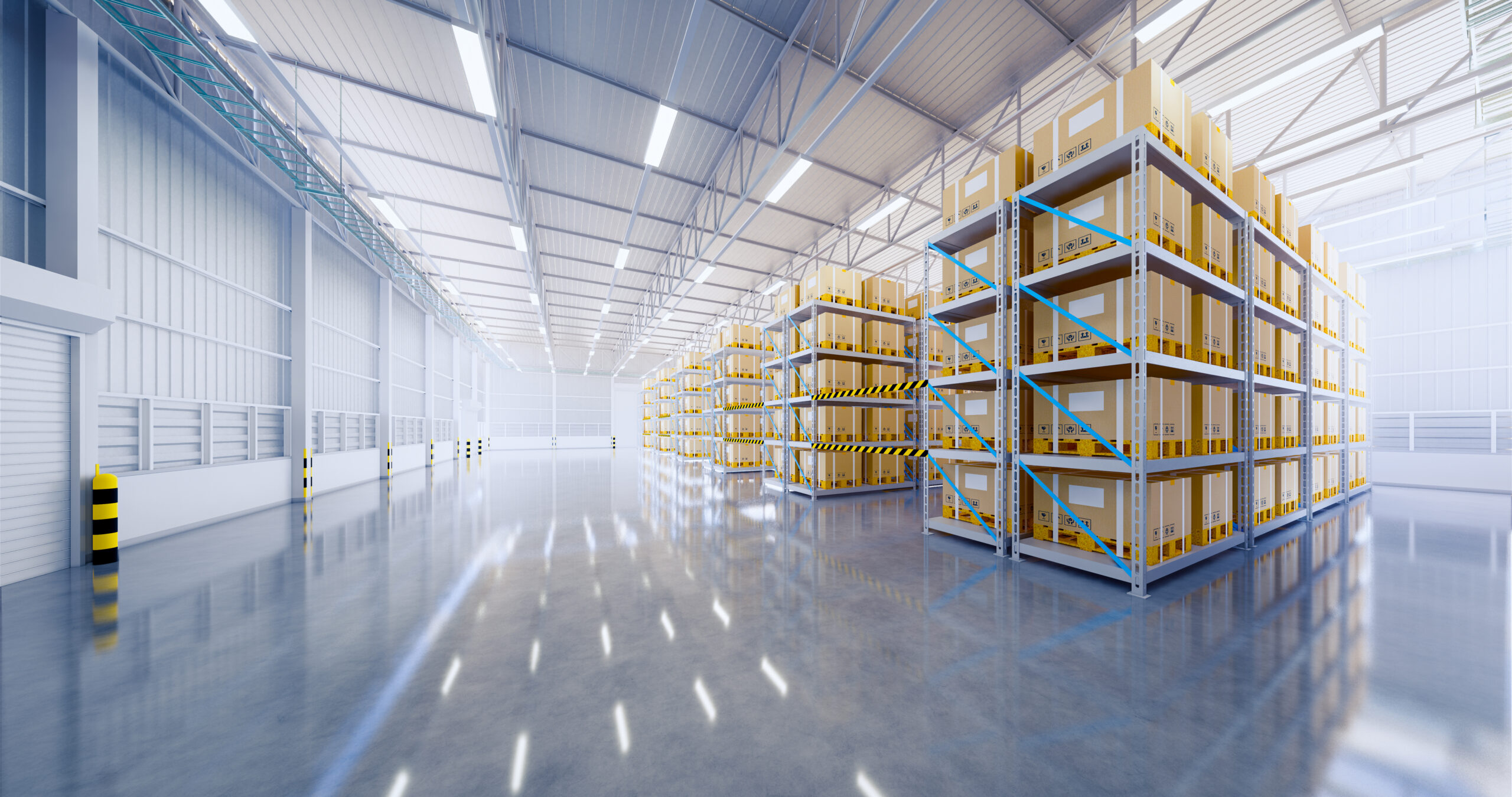
Many occupiers now require facilities that can support automation, higher electrical capacity and advanced material-handling systems. Distribution operators are also prioritizing buildings with higher clear heights, flexible layouts and infrastructure capable of accommodating robotics and conveyor systems.
“Flight to quality remains a top priority for many logistics and warehouse users,” Leahy said. “Flexibility and power to support material handling needs are top priorities.”
Recent supply additions have also reshaped the market. More than 65 million square feet of industrial space was delivered in the Chicago region during the past two years, contributing to a modest increase in vacancy from the historically tight levels seen earlier in the decade. Much of that new supply has been absorbed steadily as companies continue to modernize logistics networks across the Midwest.
Even with more options available, newer buildings with modern infrastructure continue to attract the strongest tenant interest, particularly in logistics corridors tied to the region’s transportation network.
“Power is a top priority for e-commerce and manufacturing clients but location still rules,” Leahy said. “Smart location projects with proximity to highways, ports and transportation infrastructure will remain the first to lease.”